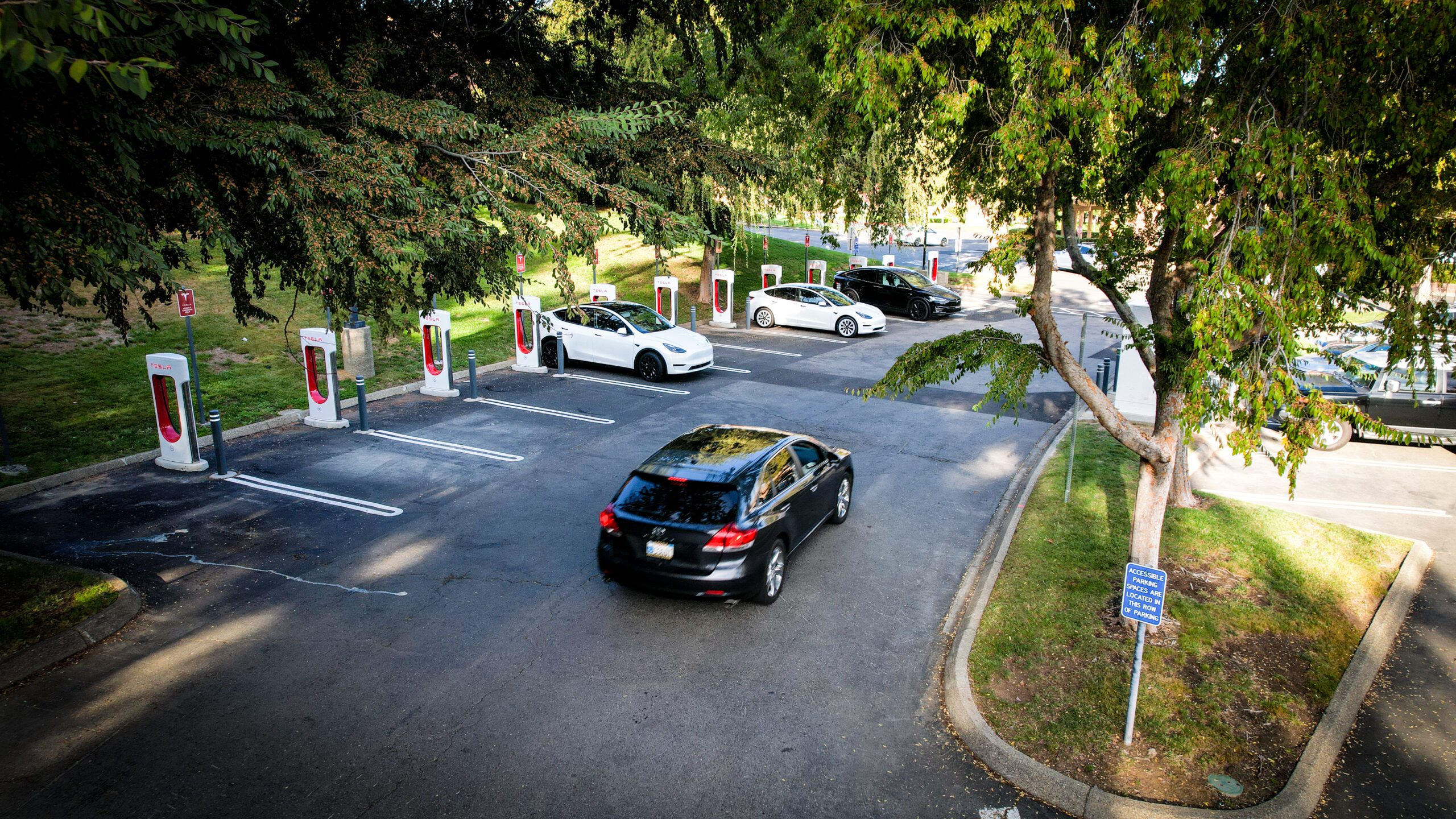
Fleet electrification fails on infrastructure far more often than it fails on vehicles. The trucks and vans are a procurement exercise with a reasonably predictable timeline. The depot that charges them is a construction project entangled with a utility, and it is almost always the critical path.
The pattern repeats: an operator orders vehicles, then discovers the site can't deliver the power, the service upgrade takes eighteen months, and expensive assets sit idle. Planning the depot first — before the vehicle order, not after — is the single highest-leverage decision in a fleet transition.
Start with the duty cycle, not the chargers
The instinct is to ask which charger to buy. The right first question is what the vehicles actually do all day.
You need, per vehicle class: daily mileage including seasonal peaks, the dwell window when the vehicle is parked and available to charge, usable battery capacity, and efficiency in real conditions — which is worse in cold weather, worse loaded, and worse on hills than any spec sheet suggests.
From that you get required energy per vehicle per day, and dividing by available dwell hours gives required power per vehicle. A van covering 90 miles and parked from 6pm to 5am needs modest power delivered slowly. A regional truck covering 250 miles with a two-hour midday window is an entirely different problem.
Calculating site load honestly
Naive load calculation — chargers multiplied by rated output — produces a number large enough to make the project look impossible. Real depots rarely need that, because vehicles do not all charge simultaneously at full power.
Two factors bring the number down:
Diversity
Vehicles arrive at different times and finish at different times, and charging power tapers as batteries approach full. Actual peak demand is typically well below connected capacity.
Load management
Networked charging systems can cap total site draw and distribute power dynamically. Twenty chargers rated 50 kW each represent 1 MW connected, but managed against a 400 kW ceiling they will still fully charge an overnight fleet — the system simply sequences them.
Load management is often the difference between a straightforward service and a service upgrade requiring new utility infrastructure. It deserves evaluation before you conclude the site is inadequate.
Commercial electricity bills include a demand charge based on peak draw in the billing period, often in a fifteen-minute window. A single uncontrolled peak can dominate the monthly bill regardless of total consumption. Load management is not only a capacity tool — it is frequently the difference between viable and punishing operating economics.
Engage the utility early
This is the long pole. Depending on the market and the size of the ask, utility work can run from a few months to well over two years.
Ask, before committing to a site: what capacity is available at the existing service, what an upgrade would cost and how long it would take, whether transformer or primary work is required, what commercial EV rate schedules exist, and what make-ready programs are available.
That last one matters. Many utilities and states fund some or all of the infrastructure between the grid and the charger — trenching, transformers, panels, sometimes the chargers themselves. These programs have application windows and requirements that are far easier to satisfy before construction than after.
Selecting charging hardware
Broadly, three categories:
- AC Level 2 (7–19 kW) — inexpensive, simple, ideal for long dwell. For most overnight depots this is the workhorse, and operators are often surprised how little DC they need.
- DC fast (50–350 kW) — required for short dwell windows and heavy vehicles. Substantially more expensive per port, with real space and cooling requirements.
- Dispenser architectures — one power cabinet feeding several dispensers, sharing capacity across vehicles. Better utilization for fleets where not everything charges at once.
Practical selection criteria beyond price: connector standards for your vehicles, OCPP compliance so you aren't locked to one network, ingress and temperature ratings appropriate to the actual climate, cable management for daily handling, and serviceability. Ask specifically about parts availability and typical repair response — a charger awaiting a part is worse than no charger, because the vehicle assigned to it is stranded.
Site design and civil work
Charging changes how a yard operates. Worth resolving on paper first:
- Circulation. Can vehicles reach every stall without shuffling? Pull-through beats backing.
- Cable reach. Port locations vary by manufacturer. Verify against your actual vehicles, not a generic layout.
- Protection. Bollards on every unit. Chargers are struck more often than anyone expects.
- Conduit for phase two. Trenching is disruptive and expensive. Install spare conduit and pull boxes for the full planned buildout during the first excavation, even if you're only energizing a third of it.
- Equipment pad siting. Switchgear, transformers, and power cabinets need space, clearances, and access.
Phase deliberately
Few operators electrify everything at once, and building for day-one demand alone guarantees an expensive second project.
The approach that works: build electrical capacity and underground pathways for the full planned fleet, install chargers for the near-term fleet, and leave the distribution equipment ready for additional circuits. The incremental cost of larger conduit and a panel with spare capacity during initial construction is small. Retrofitting either after the yard is paved is not.
Networking and operations
A depot is not finished when the chargers energize. Fleets need to know which vehicles charged, which failed, what energy cost, and when peaks occurred.
Look for telematics integration so charging aligns with dispatch, alerting when a session fails overnight, per-vehicle energy reporting, and open protocol support. Also plan for network connectivity itself — chargers need reliable communications, and depot yards are frequently at the edge of cellular coverage.
Resilience
An electrified fleet has a new single point of failure. When a diesel yard loses power the trucks still leave; an electric fleet that can't charge overnight doesn't operate the next day.
Options scale with criticality: a manual generator connection point, on-site storage that also shaves demand peaks, or partial backup covering enough chargers to keep essential vehicles moving. For most operations, backing up a subset of stalls is a reasonable middle ground — full redundancy is rarely justified, and no plan at all is a bad bet.
This article is general industry information, not project-specific engineering advice. Codes, utility requirements, and permitting rules vary by jurisdiction and change over time — verify current requirements with your AHJ and a licensed engineer before acting on anything here. Questions about a project in California, Nevada, Arizona, or Utah? Get in touch with TRLINK.